
Kidney cancer is a tumorous growth of abnormal cells in the kidney region. As per the data from GLOBOCAN 2022, India faces 17,000+ new kidney cancer cases annually, which results in a high mortality rate of 10,000+ deaths. With such a quick increase in the occurrence and mortality, it raises concern in the minds of people. Many people wonder why this is happening: is it due to routine habits, external factors, or lack of overall awareness?
With the help of this blog, Dr. Dhruv Mehta, a leading kidney cancer specialist with 10+ years of experience in medical oncology, shares his insights on kidney cancer symptoms, risk factors, and popular treatment options available.
Symptoms Of Kidney Cancer
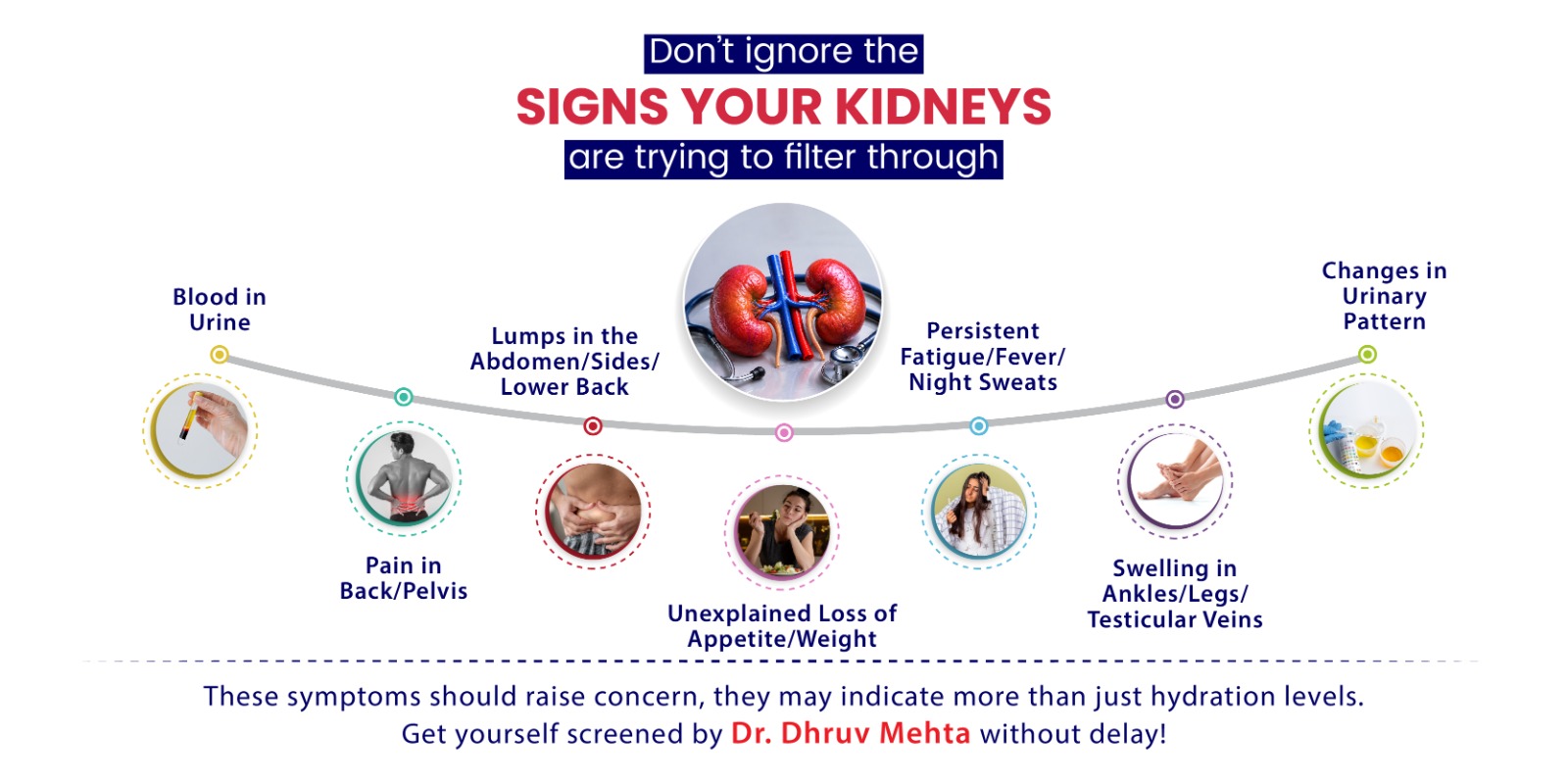
Kidney cancer may not always show symptoms, but Dr. Dhruv Mehta suggests looking out for the following symptoms. If these symptoms are present, they are not to be ignored. These common and important symptoms are:
1. Blood in Urine [Hematuria]
2. Pain in Back/Pelvis
3. Lumps in the Abdomen/Sides/Lower Back
4. Unexplained loss of Appetite/Weight
5. Persistent Fatigue/Fever/Night Sweats
6. Swelling in Ankles/Legs/Testicular Veins
7. Changes in Urinary Pattern
Risk Factors For Kidney Cancer
Risk factors refer to issues that increase your risk of developing cancer. Having a risk factor may not mean you will develop the condition. Based on the experience treating various kidney cancer patients, Dr. Dhruv Mehta suggests looking out for the following common risk factors associated with kidney cancer:
Age
Although not limited to old people, people aged 65 and above are at a high risk of kidney cancer.
Hereditary/Genetic Factors
If any of your family members have a history of kidney cancer, it puts you at a high risk. The high risk is a result of shared environments, habits, and genes. Dr. Dhruv Mehta suggests screening if anyone in your family has a history of kidney cancer.
Lifestyle And Diet
Heavy intake of ultra-processed foods, high sodium diets, low hydration levels, and unhealthy eating choices have increased the risk of kidney strain, obesity, and diabetes, which are the major risk factors for kidney cancer.
Diseases Of Kidneys
People with chronic kidney problems have a high risk of getting kidney cancer. Long-term dialysis, diabetes, and high blood pressure are known to contribute to kidney cancer growth through strain on the kidneys for extended durations.
Environmental Toxins/Pollutants Exposure
In our modern lives, we are exposed to harmful chemicals through pesticides in fruits and vegetables, water supply with heavy metal contamination, and industrial chemical exposure in certain workplaces. These chemicals are nephrotoxic — which damages kidney health, resulting in an increased kidney cancer risk.
Tobacco/Alcohol Usage
Tobacco and alcohol are two of the highest risk factors that lead to cancer development in the body. Both being Group 1 carcinogens, they enter your bloodstream, raising the risk of cancer, and go through the kidney filtration, which strains the kidneys with their high chemical profile. The kidney strain and damage to your DNA lead to kidney cancer.
Treatment Options For Kidney Cancer
The suggested treatment option will be based on your kidney cancer stage, your overall health, as well as other case factors specific to an individual. Kidney cancer specialists like Dr. Dhruv Mehta highlight the following methods that are used for effective kidney cancer treatment:
Chemotherapy
Although not the most preferred kidney cancer treatment, Chemotherapy is a method that is rarely used, mainly because kidney cancer is highly resistant to it.
It is used sometimes to reduce spread in rare cases when a proper recovery isn’t achieved by other methods.
Immunotherapy
Immunotherapy uses certain medicines that boost your immune system to recognize and destroy abnormal cells more efficiently and effectively. Immune Checkpoint Inhibitors or Cytokines will be used in your kidney cancer treatment.
Targeted Therapy
Targeted therapy can shrink tumors and control their growth efficiently by using medicines that focus on blocking certain proteins, specific molecules, plus blood flow to certain vessels that tumors depend on for growth.
Palliative Care
Oncologists suggest palliative care when a kidney cancer patient cannot have a successful recovery due to the cancer reaching other organs in stage IV. Reduction of pain, symptoms, inconvenience, as well as treatment side effects, is recommended to restore the quality of life. Oncologists focus on improving urinary function, reducing toxicity, suggesting a healthy diet, plus light physical movement.
Conclusion
With the rise in kidney cancer cases in India, it becomes a matter of priority for us to focus on our kidney health. Advancements in kidney cancer treatment and better choices in daily habits have improved awareness and prevention. Being the best kidney cancer specialist in Surat, Dr. Dhruv Mehta recommends early screening, risk management, plus seeking the right treatment if kidney issues arise.
So if you or anyone you know has kidney cancer symptoms or risks — reach out to Dr. Dhruv Mehta for screening today.
FAQ
1. Are clinical trials available for kidney cancer?
Clinical trials are available for kidney cancer. Dr. Dhruv Mehta offers eligible patients new treatments and combinations to be tested for effectiveness based on patient participation.
2. Is it possible to live with one functioning kidney?
Living with one of your kidneys is entirely possible if the treatment suggests removal of the other. A multispecialty team will guide you on medications, lifestyle, diet, as well as other factors to strengthen the kidney to take up the function of both.
