
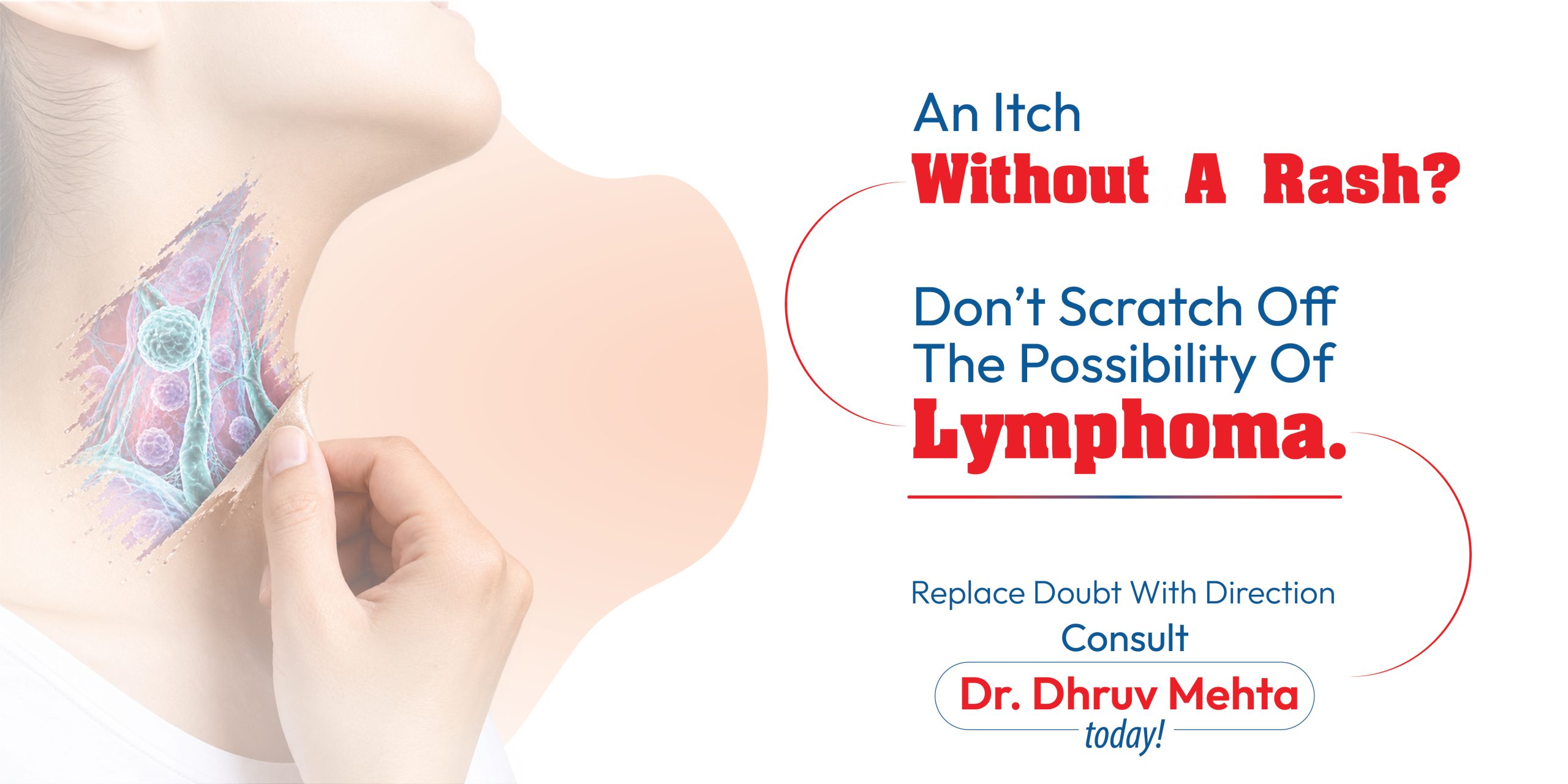
In India, patients commonly mistake lymphoma for tuberculosis as both diseases have certain common symptoms. The common symptoms include lymph node swelling, fever, weight loss, night sweats, along with a loss of appetite. These symptoms are referred to as B symptoms when they occur in lymphoma.
When lymph nodes in the neck are acutely enlarged and painful to touch, an infection is suspected. However, most painless neck nodes are practically treated with anti-tuberculous drugs if they persist for 2-3 weeks. The suspicion of lymphoma arises when anti-tuberculous treatment fails to reduce the size of the lymph nodes, the fever persists, or there is unexplained weight loss of more than 10% of body weight, or in some cases, generalized itching occurs without any rash. To differentiate between these conditions, an excisional biopsy is preferred. Fine Needle Aspiration Cytology (FNAC) is never relied on for the management of lymphoma.
How Is Lymphoma Treated?
Hemato-oncologists are not limited to treating lymphoma patients with chemotherapy as the only treatment method. In current times, specialists use treatment methods like:
- Immunotherapy
- Targeted Therapy
- Stem Cell Transplant
Specialists use these treatments for both types — Hodgkin lymphoma and non-Hodgkin lymphoma along with chemotherapy.
Even in relapsed/resistant cases, newer therapies like CAR-T cell therapy have shown good treatment response rates. With such therapies, the 5-year survival rates of many subtypes of Hodgkin and non-Hodgkin lymphoma have risen to 75–85%, proving that the key to better recovery is in early diagnosis.
How To Find The Right Lymphoma Specialist?
When finding a lymphoma specialist, you need to look for an experienced hemato-oncologist specializing in diagnosing as well as treating cancers of the blood and lymphatic system. The blood cancer specialist should also be able to diagnose the subtype of lymphoma based on your diagnostic and pathological tests. Along with the diagnostic expertise, they need to have access to modern equipment and offer all modern treatment options.
Experience with the appropriate treatment options, including new therapies and trials, is also important, especially for patients with relapsed or refractory lymphoma. The specialist should also be able to provide a personalized approach, considering the patient’s overall condition, as well as other supportive care such as counseling, palliative care, and post-treatment checkups.
Conclusion
If you have a persistent lump in the neck, armpits, or groin area for more than 3 weeks, fever and night sweats that don’t respond to antibiotics or anti-tuberculous medicines, and unexplained weight loss, you should consult Dr. Dhruv Mehta, a senior lymphoma specialist in Surat at SGHOC.
After taking a detailed medical history and conducting a physical examination, he may advise an excisional biopsy for confirmation of the lymphoma diagnosis. For further subtyping, he recommends immunohistochemistry (IHC) on the biopsy sample. Depending on the category of lymphoma, an appropriate treatment plan is developed by him. At SGHOC, newer treatments like monoclonal antibodies, stem cell transplants, immunotherapies, and adoptive cell therapies are also considered in certain cases for the best outcomes.
Remember, an early visit to a lymphoma specialist in Surat and early diagnosis are crucial for achieving the best possible treatment. For further information on lymphoma, kindly contact Dr. Dhruv Mehta at South Gujarat Hematology Oncology Centre, Surat.
